Same day gardeners Hornsey for urgent overgrown garden clearances
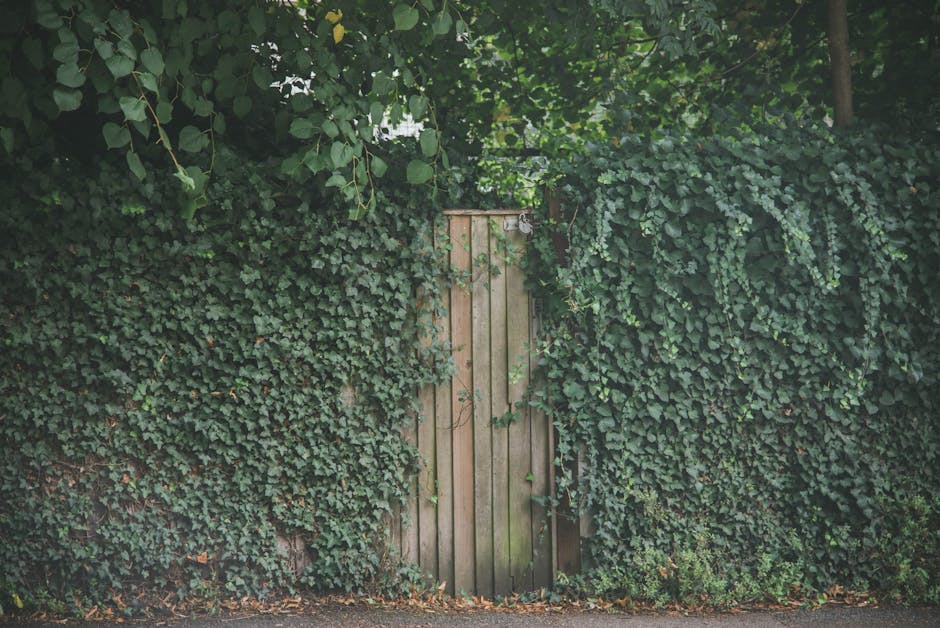
If your garden has gone from "a bit messy" to genuinely unmanageable, you are not alone. Overgrown borders, knee-high grass, brambles, fallen cuttings and blocked paths can build up fast, especially after bad weather or a stretch of busy weeks. Same day gardeners Hornsey for urgent overgrown garden clearances are the kind of service people call when the garden needs to be made safe, accessible and presentable without waiting around for a long booking window.
That urgency can come from all sorts of places: an upcoming property viewing, a landlord inspection, a family event, a neighbour complaint, or simply the point where you can no longer open the back gate without wrestling the hedge first. Truth be told, once a garden reaches that stage, it stops feeling like a garden and starts feeling like a job hanging over you.
This guide explains what a same day clearance actually involves, how it works, who it suits, what to expect on the day, and how to avoid the common mistakes that make an urgent job more stressful than it needs to be. If you want a broader look at the full range of services available, the services overview is a useful place to start.
Why Same day gardeners Hornsey for urgent overgrown garden clearances Matters
An overgrown garden is not just an eyesore. In practical terms, it can limit access, hide trip hazards, attract pests, and make it harder to see whether anything else in the space needs attention. A tangled side passage or an unreadable path can become a genuine problem, especially if children, older relatives or delivery drivers need to move through the area.
For Hornsey households, urgency is often about timing as much as condition. You may have a letting agent visit tomorrow morning. Or maybe you are trying to get a property ready for sale and the garden has turned into the one thing that keeps ruining first impressions. You can paint a wall later. You cannot hide a four-foot patch of bindweed with optimism. Well, not for long anyway.
Same-day response matters because the garden problem is usually connected to something else: access, safety, presentation, or compliance with a tenancy or sale deadline. Acting quickly also prevents the job from becoming larger than it needs to be. Once self-seeded growth, damp cuttings and neglected corners build up, the work can take longer and cost more.
There is also a mental benefit that people underestimate. When a cluttered outdoor space is cleared, the whole property feels calmer. You walk outside and breathe differently. That sounds a bit dramatic, but honestly it is true.
Expert summary: urgent garden clearance is most valuable when the aim is not perfection but fast restoration of safe access, a tidier appearance and a manageable baseline for future maintenance.
If the garden needs more than a one-off tidy, ongoing support from a garden maintenance service can help stop the same mess returning two months later.
How Same day gardeners Hornsey for urgent overgrown garden clearances Works
The process is usually straightforward, though the exact approach depends on how large, tangled or awkward the garden is. Same day jobs are often handled in a way that balances speed with sensible prioritisation. In other words, the team focuses first on what makes the biggest difference, then clears the detail.
1. Initial call or enquiry
You describe the problem as clearly as you can: how much growth there is, whether the garden is accessible, whether waste removal is needed, and whether any areas are especially urgent. A short video or a few photos can be helpful if the provider asks for them. That saves time and reduces surprises.
2. Quick assessment
A good gardener will want to know whether the job is a simple overgrown clearance, a larger cut-back, or something that crosses into heavier work like tree reduction or stump-related issues. If there are branches touching roofs or overhanging boundaries, the job may need extra time or a specialist approach. This is where careful judgement matters.
3. Arrival and prioritisation
On the day, the team typically starts with access points: front path, side passage, gate and main walkway. Then they move to the most overrun areas. If a garden is completely engulfed, the aim is usually to open it up first so the space becomes navigable before the finer tidy-up begins.
4. Cutting, clearing and waste handling
This may include strimming, hedge cutting, removal of dead growth, gathering cuttings, bagging waste, and loading green waste for disposal or recycling. The details depend on what is found on site. A garden full of soft growth is very different from one with woody shrubs, thorny stems and neglected corners.
If the work also includes hedges, a specialist approach such as hedge trimming may be the right companion service. Likewise, lawns that have turned into a jungle usually need proper lawn mowing once access is restored.
5. Final tidy and handover
The best urgent clearances do not stop at "we cut it down." They end with the garden looking coherent, safe and ready for whatever comes next. That might be a one-off tidy, a follow-up maintenance plan, or a larger redesign through landscaping or landscape gardening.
To be fair, a same-day job is rarely about museum-level perfection. It is about turning panic into control. That is the real value.
Key Benefits and Practical Advantages
The strongest benefit is speed, but there are several other advantages that matter just as much in real life.
- Fast restoration of access: Paths, gates and entrances become usable again.
- Immediate visual improvement: Front and rear gardens look more cared for, which helps with viewings and inspections.
- Reduced safety risks: Clearing hidden debris, low branches and slippery growth helps lower the chance of trips or falls.
- Less stress: A major source of worry disappears in one visit rather than dragging on for weeks.
- Better decision-making: Once the garden is visible again, you can see what genuinely needs attention.
- Practical reset point: It becomes easier to plan regular upkeep instead of constantly firefighting.
A less obvious advantage is confidence. When a garden is overgrown, people often stop using it properly. They avoid the back steps, avoid opening the shed, and stop noticing what the space could be. A clearance brings the garden back into your daily life, which is a much bigger deal than it sounds.
For homes with decks, patios or timber features, a reset can be useful before arranging decking services or checking whether existing surfaces are being damaged by damp growth and trapped debris. A messy garden can hide structural issues. A clear one does not.
Who This Is For and When It Makes Sense
This kind of service is not only for badly neglected gardens. It suits a surprisingly wide range of situations.
Homeowners
If you have been meaning to tidy the garden for weeks and it has quietly turned wild, same day help can give you a clean slate. It is especially useful before guests arrive, before a home sale, or after heavy rain when growth seems to have doubled overnight.
Landlords and agents
Rental properties need to be presentable and reasonably safe. If a tenancy ends and the outdoor space has been left with high growth or scattered waste, an urgent clearance can help prepare the property for the next occupant. It is not glamorous, but it does matter.
Older residents or busy families
Sometimes the problem is simple capacity. The garden is too much work for the time available, or the equipment needed is more than you want to manage. Same day support can take the pressure off, especially if the space has become difficult to maintain steadily.
People preparing for a sale or event
First impressions count. An overgrown garden can make an otherwise lovely home look uncared for. Likewise, if you are hosting a party or family gathering, you do not want everyone stepping over nettles or squeezing through a hedge maze. Not ideal.
Anyone dealing with sudden overgrowth
Storm damage, missed maintenance, holiday absences, or a few aggressive growing weeks in spring and early summer can all tip a garden into chaos. When that happens, urgent help makes sense because waiting only makes the job harder.
If the issue is mostly routine upkeep rather than an emergency, regular garden maintenance is usually a better long-term fit than repeated clearances.
Step-by-Step Guidance
If you are arranging an urgent clearance, the smoother the brief, the better the outcome. Here is a sensible way to handle it.
- Walk the garden first. Note the worst areas, blocked paths, broken items and anything fragile that needs care.
- Decide what must be done today. For example: clear access, reduce head-height growth, remove waste, or make a space presentable for inspection.
- Take quick photos if needed. They help explain the scale of the job without a long phone call.
- Ask what is included. Cutting, bagging, loading and disposal are not always bundled in exactly the same way.
- Make access easy. Unlock gates, move cars if needed, and clear a route to the main work area.
- Point out hazards. Tell the gardener about hidden drain covers, fragile edging, trailing cables or areas that should be left alone.
- Confirm the desired finish. Do you want "tidy and usable" or "as neat as possible within the time available"?
- Plan the follow-up. A one-off clearance is often only step one. The next step may be trimming, mowing or a maintenance schedule.
A small but useful tip: if you are unsure what service best fits the problem, start with a broader clearance request and let the site team assess the rest. That is often quicker than trying to diagnose every plant from the back door in a panic.
Expert Tips for Better Results
In our experience, urgent clearances go best when the brief is simple and the priorities are clear. You do not need to write a novel. A few practical notes are enough.
- Focus on outcomes, not gardening jargon. Say what you want the space to do after the visit: safe access, family use, inspection-ready, or sale-ready.
- Keep fragile items out of the work zone. Plant pots, garden furniture, toys and hoses tend to get in the way fast.
- Be honest about the state of the garden. If there is more waste than expected, say so. It helps set realistic expectations.
- Ask about waste handling early. Green waste removal is a major part of the job, not an afterthought.
- Request a maintenance plan if needed. One tidy-up is good. A preventable repeat problem is not.
If you are dealing with larger branches or a tree that has become part of the problem, it may be safer to combine the clearance with tree lopping and removal rather than trying to force the issue with basic cutting tools.
Another small but useful point: morning appointments often work well for urgent jobs because the team can see the space in daylight, complete more of the work comfortably, and leave you with the rest of the day to organise the next steps. Simple, really.
Common Mistakes to Avoid
Urgent work tends to go sideways when people assume every overgrown garden is the same. It is not.
Waiting too long to act
The longer the growth stands, the more awkward the job becomes. Brambles tangle, grass mats down, and paths disappear. A small problem can become a half-day clearance faster than you would think.
Assuming all waste will vanish automatically
Some services include waste removal, some do not, and some handle it in stages. Always check. Nobody likes a nice tidy garden with three bags of cuttings left by the gate.
Expecting a full redesign from an emergency clearance
A same-day visit is usually about stabilising the space, not transforming it into a show garden. If you want major changes later, that is where landscaping or landscape planning comes in.
Leaving access blocked
If the team cannot reach the rear garden easily, the job slows down. Unlock gates, move bins, and remove anything that would force unnecessary detours.
Overlooking safety hazards
Hidden glass, broken fencing, unstable ground and concealed branches can all create risk. Mention them before work starts. It saves time and avoids nasty surprises.
And yes, it is a bit annoying that the thing you left "just for later" is now in the way. Gardening has a sense of humour like that.
Tools, Resources and Recommendations
For urgent clearances, the right tools are usually a mix of cutting, lifting, collecting and finishing gear. Most homeowners do not need to own these, which is why a professional visit makes sense in the first place.
| Tool or resource | What it helps with | Best use in an urgent clearance |
|---|---|---|
| Strimmer or brush cutter | Tall grass, weeds, soft overgrowth | Opening up access and reducing dense patches fast |
| Hedge trimmer | Overgrown hedges and boundary growth | Shaping and cutting back the visible bulk |
| Secateurs and loppers | Thicker stems and woody growth | Cutting targeted branches and shrubs |
| Rakes and debris tools | Loose cuttings and surface waste | Final tidy and collection |
| Waste bags or loading equipment | Green waste removal | Keeping the site clean and manageable |
| Maintenance plan | Repeat overgrowth prevention | Stopping the space returning to square one |
Once the garden is back under control, the best "resource" is usually not a gadget at all. It is a realistic maintenance rhythm. A short visit every few weeks can prevent the dramatic overgrowth that causes stress in the first place.
If the space includes softer garden areas that need regular upkeep, scheduled lawn mowing and seasonal hedge trimming are often the simplest way to keep things from snowballing again.
Law, Compliance, Standards and Best Practice
Urgent garden clearance is not just about making things look neat. There are practical standards and duties around safety, waste handling and working responsibly on someone else's property. The details will vary depending on the site, but a professional approach should always be careful, tidy and proportionate.
At a basic level, good practice means assessing risks before starting, using equipment properly, and avoiding damage to property, boundaries or planted areas that were meant to stay. It also means handling waste responsibly and not leaving sharp cuttings, loose debris or partially cut branches in a way that could cause harm.
If a job involves trees, higher branches, unstable growth or anything that looks beyond routine pruning, it is wise to treat that as a separate risk area. That is one reason services such as tree lopping and removal exist as a distinct service rather than a quick add-on in every case.
Insurance and safety also matter. If someone is working on your property, you want confidence that they take safety seriously, carry out the work sensibly, and understand how to prevent avoidable damage. A provider that is transparent about this is generally easier to trust. The same goes for clear communication around quotes and payment. You can review the provider's approach to insurance and safety, health and safety policy, and payment and security before booking.
Waste and sustainability are another practical consideration. Green waste should be handled responsibly, and where possible, recyclable materials should be separated from general garden debris. If that matters to you, it is worth checking a provider's recycling and sustainability approach. Small detail, maybe. But it says a lot.
Options, Methods, or Comparison Table
Not every overgrown garden needs the same solution. Sometimes a light cut-back is enough. Sometimes the right answer is a fuller clearance. And sometimes the issue is actually maintenance, not clearance at all.
| Option | Best for | Advantages | Limitations |
|---|---|---|---|
| Same day urgent clearance | Sudden overgrowth, access issues, time-sensitive deadlines | Fast, practical, immediate improvement | May not include long-term redesign |
| Routine garden maintenance | Spaces that are generally manageable but need ongoing care | Prevents decline, more predictable upkeep | Not ideal for a garden already heavily overrun |
| Hedge, lawn or tree-specific work | One dominant problem area | More targeted, often more efficient | May need to be combined with clearance |
| Full landscaping or redesign | Gardens needing layout changes, new structure or a fresh start | Long-term improvement, better use of space | Takes more planning and usually more time |
For many homes, the right sequence is clear: first make the garden safe and visible, then decide whether it needs regular care or a wider redesign. Jumping straight to design before the mess is cleared can be like trying to redecorate a room while the boxes are still piled to the ceiling. You can do it, but why make life harder?
Case Study or Real-World Example
A typical urgent job might look like this: a narrow back garden in Hornsey has not been touched properly for months. Rain and warm weather have pushed the grass high, brambles are curling over the fence, and the path to the shed is half blocked. The homeowner has visitors arriving the next day and wants the space usable, not perfect.
In a case like that, the priority would usually be access first. The team would clear the main walkway, cut back the worst growth, remove loose waste, and open up the garden so it feels manageable again. If the hedge is the main source of the mess, hedge trimming may be part of the job. If the lawn is the issue, mowing and strimming would take centre stage.
By the end of the visit, the garden would not necessarily be finished in an ornamental sense. But it would be readable again. You could see the boundaries, move around safely and decide what next week's job should be. That is often exactly what people need after a stressful spell.
What stood out most in situations like this is how quickly the atmosphere changes. The garden stops feeling like a burden and starts feeling like a space again. You notice the brick edge, the patio line, the actual shape of the beds. It sounds small. It is not.
Practical Checklist
Use this quick checklist before booking or during the lead-up to an urgent clearance:
- Identify the main problem areas: lawn, hedge, paths, beds, boundary growth, or waste build-up.
- Decide what absolutely must be done today.
- Take a few photos if the issue is large or hard to describe.
- Clear access through gates, side passages and entrance points.
- Move fragile items, furniture, bins and toys out of the work area.
- Tell the gardener about hidden hazards or delicate features.
- Ask whether waste removal is included.
- Confirm whether the goal is a basic clearance or a more polished finish.
- Think about follow-up maintenance once the immediate job is done.
- Save the provider details so future visits are easier to arrange.
If you are already at the "I just need this sorted" stage, that is fine. Start there. A clear brief is better than a perfect one.
Conclusion
Urgent overgrown garden clearance is one of those services people often delay until the last minute, then suddenly need yesterday. The good news is that a same-day response can make a huge difference very quickly. It restores access, reduces stress, improves presentation and gives you room to think again.
The main thing is to be clear about the outcome you want: safe, tidy, accessible and ready for the next step. Whether that next step is ongoing maintenance, a hedge cut, a lawn reset or a bigger garden redesign, the first move is often the same. Get the space back under control.
If you want to compare service options, review practical details, or plan your next move with confidence, start with the provider's core service pages and make the brief as specific as you can. That little bit of clarity saves time, money and a fair amount of frustration.
Get a free quote today and see how much you can save.
And if the garden still looks a bit wild after all this, don't worry. That's just the before picture.
Frequently Asked Questions
What counts as an urgent overgrown garden clearance?
It usually means the garden has reached a point where access, safety, presentation or a deadline has become the priority. That might include blocked paths, heavy grass growth, tangled hedges or a garden that needs to be brought back to a usable state quickly.
Can same day gardeners in Hornsey really come out the same day?
Often, yes, if the schedule allows and the job details are clear. The more information you can give upfront, the easier it is to judge whether a same-day visit is realistic.
What should I tell the gardener before they arrive?
Share the size of the garden, the worst problem areas, whether waste removal is needed, any access issues, and any hazards such as broken fencing, hidden debris or fragile plants you want protected.
Is a same day clearance the same as regular garden maintenance?
No. Maintenance is about keeping a garden in good shape over time. A same-day clearance is usually a faster, more reactive service aimed at dealing with a sudden mess or deadline.
Will the team remove all the green waste?
That depends on the service arrangement, so it is worth checking in advance. Waste handling is often one of the most important parts of the job, especially when the garden is badly overgrown.
What if my garden also needs hedge cutting or lawn work?
That is very common. A clearance can often be paired with hedge trimming or lawn mowing once the space is accessible and the main overgrowth is reduced.
Do I need to be at home during the clearance?
It is usually best if someone can be available at the start, at least to explain priorities and point out any hazards. After that, arrangements vary depending on access and the agreed scope.
How do I know if the job is bigger than a clearance?
If there are structural issues, major tree work, large amounts of waste, or a need to redesign the space, the job may go beyond a clearance. In that case, services such as landscaping or tree work may be more appropriate.
Will a same day visit make the garden look perfect?
Not always, and it should not need to. The goal is usually to make the garden safe, visible and manageable. A highly polished finish can come later if needed.
What is the best way to stop the garden getting overgrown again?
Regular maintenance is the answer in most cases. A simple schedule for mowing, hedge cutting and seasonal tidy-ups is usually far easier than waiting for another emergency clear-out.
Is urgent garden clearance suitable for rental properties?
Yes. It can be especially useful between tenancies or before inspections, when the outdoor space needs to be returned to a presentable and safe condition quickly.
Where can I find more information about the company's policies and standards?
You can review practical pages such as about us, pricing and quotes, and the company's policy pages including health and safety policy and recycling and sustainability.